Experience Live Music Virginia Beach at Wing King

If you love eating chicken wings, you have to try the food at Wing King. They provide good food at reasonable prices. If you have yet to try the wings there, you are missing out. There is a reason why they have gotten noting but positive reviews from their past customers. Each member of their highly trained staff will greet you with a smile on their faces the moment you come to the restaurant. They will also check up on you if you need anything else. In fact, you will also experience live music in Virginia beach at Wing King Kempsville. There is nothing like being entertained at night while hanging out with your friends. You won’t even know how long you have been staying there because you are going to be entertained a lot. You will groove to the live music and dance like it is 1999. Some of the state’s top bands have performed in the restaurants. They would love to do an encore in the future. After all, the location is great so they would love to do it again. It would be a great experience to listen to high-quality music at Virginia Beach. What’s more, Wing King has a different promotion each day. No matter which day you come, you will certainly save some money. For example, you will get 50% off of burgers every Thursday and every Tuesdays you are going to get $5 off of Beef Nachos.

Better stay tuned at the official website of Wing King Kempsville so you will know which bands are going to perform there. If you are a fan of a band that will perform there soon, better reserve a table in advance. It would be risky to go there on the day itself because there is a chance that they will run out of tables. It is impossible to stand up while watching the musical performance because it is impossible to eat while standing up. Bring the whole gang as it will bound to be an awesome time. Also, take a lot of pictures of the performers and the food. Your social media posts will certainly receive a bunch of likes. You will even receive a bunch of invites from your friends who would want to go there. Better get used to the fact that there will be a lot of people in places like that. Thus, you are going to have a hard time conversing with the people you are with. Better shout and they won’t mind if you shout at them because they know that they won’t be able to hear you if you don’t. Also, better be respectful of all the other patrons there. If you want to get a better view, it won’t be smart to stand on top of your chair. It won’t be long before someone would tell you to get down from that stool and get back to your seat. It is those types of behaviors that become the start of a fight.

During these types of events, you know you should control the amount you drink. If you drink a bit too much than expected, you may do things that you will end up regretting. Thus, better be mindful of your alcohol tolerance. You may even take swim with your clothes on and your mobile phone may suffer in the process. You may end up buying a new smartphone sooner than you expected. The best thing to do would be to have fun while eating good food and enjoying the performance of the band. You can get a bit close to them but not too close in a way that you are bothering them. You may get into trouble so better stay behaved. Better not let it get to a point where you end up getting banned from Wing King. The restaurant loves serving its customers but not if they show a rude behavior. The bands would love nothing more than to entertain you. There are times when they would allow customers to come up on stage and become a part of the act. If you come up there, be sure to not humiliate yourself. Be sure that you are going to take the pressure and put it right in front of those people who are doubting you. There is no doubt you would want to become a star in the music industry and this is one way to do it. Better to eat a lot of Wing King’s wings and burgers before attempting to jam with the performers so you will be energized for it. It may be a once in a lifetime opportunity so better take advantage of it while it lasts. Also, if someone asks to share a table with you and you have some available seats, you must take that offer. After all, there is nothing like making new friends at a place that would allow it. Also, you already share something in common which is enjoying good food and listening live music. Thus, there will surely be more to talk about.

You will always be in the presence of royalty whenever you go to Wing King. You may end up ordering more than what you expected because their wings are too good. They also have burgers as that is a good combination and don’t forget beer too. You can expect yourself to take many trips to the comfort room if you decide to drink a lot. If you see a long line and you feel like it is going to come out, better fall in line right away. Don’t wait until you are really uncomfortable before you fall in line because you might pee on your pants. Everyone will notice and that is not going to leave a good impression. It is obvious you would want to watch the live performance while you are falling in line. Unfortunately, someone may move in front of you so you would always need to pay attention to what’s going on.

The Ultimate Guide to Choosing the Right Marketing Company in Charlotte

Introduction

In today’s fast-paced digital world, effective marketing is crucial for any business looking to thrive. If you’re a business owner in the Queen City, you might be wondering how to find the best marketing strategies to reach your target audience. This is where a marketing company in Charlotte can offer valuable insights and expertise. In this article, we’ll explore what you need to know when choosing the right marketing partner in Charlotte.

Understanding Your Marketing Needs

Before seeking a marketing company in Charlotte, it’s essential to assess your specific marketing needs. Consider what you hope to achieve, whether it’s increasing brand awareness, generating leads, or improving customer engagement. Knowing your goals will help you communicate effectively with potential marketing firms and ensure they align with your vision.

Evaluating Options: Key Features to Look For

When searching for a marketing company in Charlotte, there are several key features to consider:

1. Experience and Expertise

Look for a company with a proven track record of success in various marketing strategies. Their experience in different industries can offer invaluable insights tailored to your specific market.

2. Range of Services

A full-service marketing agency can provide a comprehensive approach to your marketing needs. Services may include SEO, content marketing, social media management, and more. This diversity can help ensure all aspects of your marketing are aligned and working towards the same goals.

3. Understanding Local Market Dynamics

Choosing a marketing company in Charlotte that understands the local market can give you a significant edge. They will be familiar with regional trends, customer behaviors, and competitive landscapes that can affect your marketing strategy.

The Importance of SEO

In the digital age, Search Engine Optimization (SEO) is critical for online visibility. A knowledgeable marketing company will emphasize the importance of SEO in their strategies. If you are looking for quality services, consider connecting with a reliable Charlotte SEO and marketing company in Charlotte that can help your business rank higher in search engine results.

Assessing Results: Metrics that Matter

Finally, it’s vital to understand how to evaluate the results of your marketing campaigns. Work with your chosen marketing company to set clear metrics that will help measure success, such as website traffic, conversion rates, or social media engagement.

Conclusion

Finding the right marketing company in Charlotte can be a game-changer for your business. By understanding your needs and evaluating your options carefully, you can partner with a marketing firm that not only understands the local market but also has the expertise to help you achieve your goals. Whether you’re a startup or an established business, the right marketing strategy is essential for growth.

Top Marketing Companies in Charlotte: How to Choose the Right One

Introduction

In the ever-evolving landscape of digital marketing, businesses in Charlotte face unique challenges and opportunities. The right marketing company in Charlotte can be instrumental in helping your brand navigate this landscape. This article will explore how to choose the best marketing partner for your needs, the services they offer, and the benefits of working with a local expert.

Why Choose a Local Marketing Company?

Choosing a marketing company in Charlotte allows you to work with a team that understands the local culture, market trends, and consumer behaviors. Local agencies can provide personalized services that cater specifically to the Charlotte audience. They are also more accessible for face-to-face meetings, offering a level of collaboration that remote agencies might lack.

Understanding Your Business Needs

Before selecting a marketing company in Charlotte, it’s essential to understand what your business needs. Are you looking to improve your online presence, enhance brand awareness, or drive sales? Some common services offered by local agencies include:

  • Search Engine Optimization (SEO)
  • Pay-Per-Click Advertising (PPC)
  • Social Media Marketing
  • Content Marketing
  • Brand Strategy Development

Evaluating Potential Agencies

When evaluating different marketing companies, consider their portfolio, client testimonials, and case studies. A reputable marketing company in Charlotte should have a proven track record of delivering successful campaigns. Additionally, look for agencies that specialize in your industry, as they will be better equipped to understand your unique challenges and audience.

Services Offered by Marketing Companies

Most marketing companies offer a wide range of services designed to increase visibility and drive traffic to your business. This can include:

  • SEO Services: Optimizing your website to rank higher on search engines, leading to increased organic traffic. Many companies in Charlotte specialize in Charlotte SEO and marketing.
  • PPC Campaigns: Creating targeted ads on platforms like Google Ads and Facebook that can provide immediate results.
  • Content Marketing: Developing relevant and engaging content that resonates with your audience and encourages them to interact with your brand.
  • Social Media Management: Cultivating an engaging presence on social media platforms to connect with customers and build community.

The Benefits of Working with a Marketing Company in Charlotte

Working with a local agency can offer your business several advantages:

  • Personalized Service: Local agencies can provide tailored marketing strategies that fit your specific goals and market.
  • Networking Opportunities: They often have existing relationships with other local businesses and influencers, which can benefit your marketing efforts.
  • Quick Response Times: Proximity allows for faster communication, which is crucial in the fast-paced world of digital marketing.

Conclusion

Choosing the right marketing company in Charlotte can dramatically influence your business’s growth and success. Take the time to evaluate your options carefully, consider their expertise and alignment with your goals, and don’t hesitate to ask for references. By doing so, you set your business up for effective marketing strategies and, ultimately, increased profitability.

Unlocking Growth: How a Marketing Company in Charlotte Can Elevate Your Business

Why Choose a Marketing Company in Charlotte?

Finding the right marketing partner is crucial for any business aiming to thrive in today’s competitive landscape. In Charlotte, a vibrant hub for commerce and innovation, a marketing company in Charlotte can provide tailored strategies that resonate with local audiences and enhance your brand’s visibility.

The Importance of Local Expertise

A marketing company based in Charlotte understands the unique dynamics of the local market. They are familiar with the community’s culture, preferences, and trends, which allows them to craft strategies that appeal specifically to Charlotte’s diverse demographics. When you work with a local marketing partner, your business isn’t just another name on a list; you’re part of the community. This connection can build trust and contribute to your brand’s success.

Key Services Offered by a Marketing Company in Charlotte

When considering a marketing company in Charlotte, it’s essential to understand the range of services they provide. Here are some critical offerings you can expect:

1. Digital Marketing Strategies

In the digital age, having a strong online presence is non-negotiable. A marketing company in Charlotte will help you establish an effective digital strategy that includes search engine optimization (SEO), social media marketing, and pay-per-click advertising. These strategies are designed to increase your visibility and reach target customers effectively.

2. Content Marketing

Content is king when it comes to engaging and retaining customers. By partnering with a Charlotte-based marketing firm, you can develop compelling content that speaks to your audience’s needs and interests. This can include blog posts, videos, infographics, and case studies that not only boost your SEO but also position your brand as a thought leader in your industry.

3. Branding and Design

Your brand is your business identity. A marketing company in Charlotte can assist you in crafting a cohesive brand image that reflects your values and resonates with your customers. From logo design to comprehensive branding strategies, they can help ensure that your brand stands out in the marketplace.

Why SEO Matters

Search Engine Optimization (SEO) is a cornerstone of any effective marketing strategy. A specialized Charlotte SEO and marketing company in Charlotte can optimize your website to improve its ranking on search engines, ultimately driving more traffic to your site. Effective SEO strategies boost your credibility and make it easier for potential customers to find you when they need services or products that you offer.

Measuring Success

Working with a marketing company in Charlotte should involve a clear understanding of performance metrics. Regular reporting and analytics can help you evaluate the effectiveness of your marketing campaigns. Look for a company that provides insights into key performance indicators (KPIs) so you can track your return on investment (ROI) and make informed decisions about future strategies.

Conclusion

In conclusion, partnering with a marketing company in Charlotte is not just a business decision; it’s an investment in your company’s future. With local expertise, a wide range of services, and a strong emphasis on SEO, you can position your business for sustained growth and success. As Charlotte continues to grow as a central business district, the right marketing partner can provide the edge you need to stand out.

Finding the Right Marketing Company in Charlotte: A Guide for Local Businesses

Understanding the Importance of a Marketing Company in Charlotte

In the bustling business environment of Charlotte, North Carolina, choosing the right marketing company in Charlotte can make a significant difference in your brand’s visibility and growth. With the rise of digital marketing, local businesses now have access to a wide array of tools and strategies to promote their services effectively.

Why Local Expertise Matters

Partnering with a marketing company in Charlotte provides your business with local insights that can drive your marketing strategies. These companies understand the unique challenges and opportunities that come with operating in this vibrant city. From competition analysis to localized strategies, their expertise can help navigate the Charlotte market landscape.

Tailored Marketing Strategies

A professional marketing company can tailor strategies specifically for your target audience. For instance, they can optimize your social media presence, enhance your content marketing strategies, and develop SEO-friendly content that resonates with local consumers. They ensure that your messages are not just reaching people, but the right people. SEO is particularly crucial, as it elevates your business’s visibility in search engine results, ensuring potential customers find you when searching for your services.

Incorporating Digital Marketing Techniques

In today’s digital age, utilizing effective digital marketing techniques is a must. A leading marketing company in Charlotte should offer services like search engine optimization (SEO), pay-per-click advertising (PPC), social media marketing, and email campaigns to enhance your online presence. These methods not only drive traffic to your website but also help in converting visitors into loyal customers.

Focusing on SEO: A Must for Charlotte Businesses

When seeking a marketing company in Charlotte, it’s essential to find one that prioritizes SEO. This includes optimizing your website structure, conducting keyword research, and implementing on-page SEO tactics. For optimal results, consider working with a Charlotte SEO and marketing company in Charlotte that can help you achieve higher ranking on search engines, making it easier for customers to discover your products or services.

Evaluating Potential Marketing Partners

As you research marketing companies in Charlotte, keep these factors in mind:

  • Portfolio and Case Studies: Assess their previous work and the results achieved for clients in similar industries.
  • Client Testimonials: Positive feedback from past clients can give you insights into their working style and effectiveness.
  • Service Offerings: Ensure they offer the full spectrum of services necessary for your business growth.
  • Communication: Choose a company that values consistent communication and transparency in their processes.

Conclusion

In summary, selecting the right marketing company in Charlotte is vital in establishing a strong presence in the marketplace. With the right guidance and partnership, your business can leverage tailored marketing strategies that resonate with local audiences. Don’t hesitate to reach out to a reputable Charlotte SEO and marketing company in Charlotte to elevate your marketing efforts and achieve your business goals successfully.

5 Things to Look For When Shopping for Cooking Pots!


Cooking pots are one of, if not THE, essential tools in every kitchen and every meal. Choosing the right cookware can make all the difference in your cooking experience. And, even in the quality and taste of the food you make. Believe it or not, the right cookware can make your food taste and look better. Also, if you make the right choice, you can elevate the quality of your life all in all! However, how can you decide what cookware to buy with the endless number of options available online?

There are so many options out there: small pots or big pots, stainless steel or ceramic, round or oval? It can get overwhelming. But, when you narrow it down, you’ll know exactly what you’re looking for.

Well, it’s actually much easier than you would think. In this article, we’ll walk you through 5 key things you need to consider when shopping for cooking pots. We’re going to ensure that you invest your money in high-quality cookware that will last you for YEARS. And, they will make your cooking experience a lot more fun and easygoing. Whether you’re a seasoned chef or a home cook, you’re about to discover the secret to the best cookware. By the end of this article, you’ll have all the information to fit your culinary needs. With BEHACO, you’ll always find everything you need to make your life easier! So, keep reading!

What Should You Look for When Buying Cooking Pots?

So, we’ve already established that buying the right cooking pots can be overwhelming. After all, it is an investment! But, you should also keep in mind that you are investing in food, health, and a better quality of life. Also, it doesn’t hurt to make your life easier in the kitchen! When you choose the RIGHT cookware, the entire cooking process and time can be significantly reduced. BEHACO has everything you need!

Contact us for more information on where to buy the best cooking pots!

#1 Heat Conductivity

First, we’re going to start with one of the defining factors to consider when buying cooking pots – heat conductivity. Conductivity is the ability of the material of the pots to transfer heat quickly and efficiently. Why does this matter? Well, if a pot distributes heat evenly and quickly, the pot will heat up faster and cook food evenly. This also means that it will cook the food all the way! The best material for heat conductivity is stainless steel!

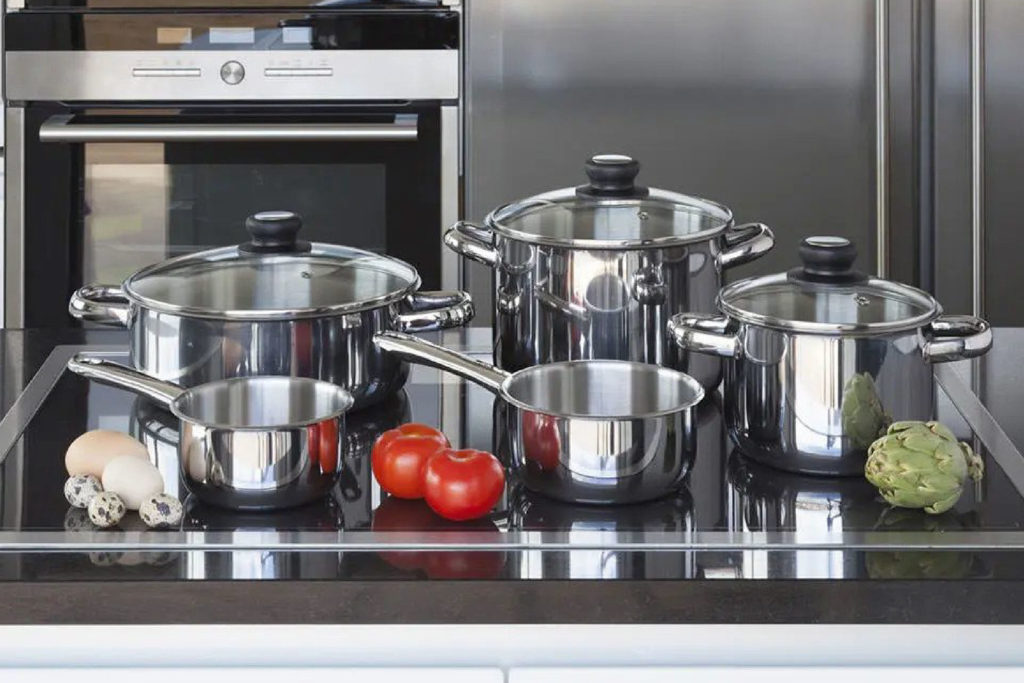
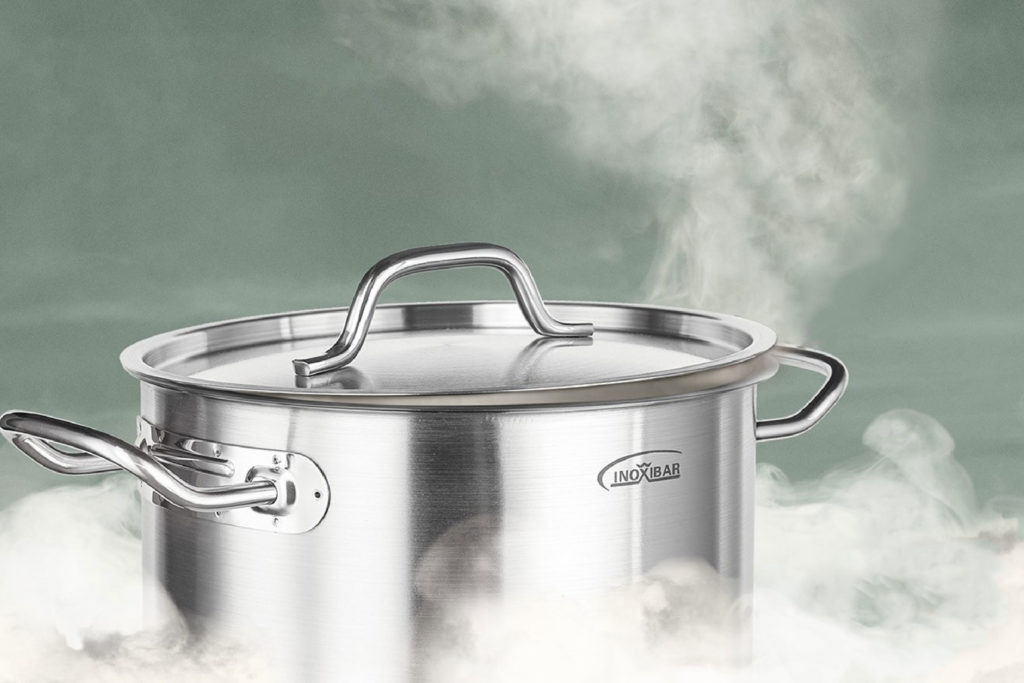
With the right heat conductivity, you will cook your meal faster and more efficiently. And, if you didn’t know, exposing your food to less heat is healthier. Using stainless steel cooking pots like our line of Inoxibar cookware is one of the best options for you. Say goodbye to hotspots and burnt food and save time on cooking!

#2 Price

Next, we have to consider the price of cooking pots – we’re not looking to spend a fortune here. However, when you choose the right cookware, you won’t have to replace it for YEARS. Also, if you take care of them right, you can use them for a lifetime! The cool thing about stainless steel is that it is very durable and long-lasting. This means that you will not have to worry about replacing your set of cooking pots. In other words, you’ll actually be saving more money in the long run.

#3 Durability

Alza cooking pots

So, this brings us to our next point to consider when buying cooking pots: durability. If you’re going to spend money on cookware, you want to know it will be worth it. You don’t want to be replacing your cookware every two years! That’s inefficient and it wastes a lot of money!

Some cooking pots last longer than others and some maintain their sleek look for years! Imagine using your cookware a few times only to end up with a burnt-looking pot. No one wants that! And so, we also recommend high-quality, high-grade stainless steel pots like our Alza collection. It resists corrosion, is scratch resistant, and maintains its shine! We guarantee that they will last you forever and maintain their beautiful shine! 

#4 Reactivity

Also, there’s also another thing to consider that is actually one of the most important parts of your shopping decision. Some cooking pots, like Aluminum or Copper, react with certain foods like tomatoes or acidic dishes. This causes the material to degrade and they won’t last as long. Plus, it could affect the taste of the food and alter the quality. Your food can actually absorb some of the metal in the pots. Inoxibar pots come with non-reactive stainless steel that ensures your food will come out perfect every time. Learn more about cooking pot reactivity here!

#5 Maintenance

Finally, the last thing on our list is maintenance. Naturally, we’re all interested in cooking pots that do not require too much maintenance. We don’t want to spend a good amount of time scrubbing pots and pans after every meal. And, we also don’t want to be shining our cookware after every use. That’s way too much effort and honestly, very time-consuming. Your cookware should make your life easier, not make it more complicated.

The best cooking pots that stay in pristine shape are usually the non-stick, durable kind – aka, stainless steel again. Although there are a lot of options out there that might also require less maintenance… None compare to the mirror-like shine of stainless steel. It does not require special maintenance like cast iron, does not scratch or dent like aluminum, and does not rust. It really does not get better than stainless steel!

And, if you’re looking for the best, high-quality stainless steel pots that will last you a lifetime… Well, look no further than BEHACO’s range of Inoxibar and Alza cookware. They’re extremely durable, long-lasting, and have the most exquisite look to them. Basically, they have everything you could look for when shopping for cookware!

4 Effective Strategies to Promote Your Local Restaurant

Owning a local restaurant is a dream come true for many, but attracting a steady stream of customers can be challenging in today’s competitive market. To stand out and increase foot traffic, it’s essential to implement smart marketing strategies. In this article, we’ll explore four simple yet powerful ways to promote your local restaurant and boost its popularity in the community.

1 – Showcase Your Unique Culinary Delights:

People love trying new and exciting food. To capture their attention and taste buds, highlight your restaurant’s unique culinary offerings. Emphasize your signature dishes, locally sourced ingredients, or any special preparations that set your menu apart. Leverage social media platforms, website, and local directories to showcase high-quality images of your dishes.

Consider hosting tasting events or collaborating with food bloggers and influencers to review and promote your restaurant. Encourage customers to share their dining experiences on social media by creating shareable moments like attractive plating or interactive food presentations. Word-of-mouth marketing is a powerful tool, and happy customers can become your most valuable brand ambassadors.

2 – Engage with the Local Community:

Your restaurant is an integral part of the local community, and engaging with residents can have a profound impact on your business. Sponsor or participate in local events, charities, or sports teams. This not only boosts your brand’s visibility but also shows your commitment to giving back to the community. Consider hosting special nights or promotions for community members, such as family discounts or themed evenings.

Collaborate with neighbouring businesses, such as cinemas, theatres, or museums, to offer joint promotions or discounts. Cross-promoting with local businesses can attract new customers and create a supportive network within the community.

3 – Optimise Your Online Presence:

In today’s digital age, a strong online presence is crucial for any business. Ensure your restaurant’s website is user-friendly, visually appealing, and mobile-responsive. Include essential information such as location, operating hours, menu, contact details, and reservation options.

Maintain active social media accounts and post regularly to keep followers engaged. Share captivating visuals, behind-the-scenes moments, and customer reviews. Respond promptly to customer comments and messages, whether they are positive or negative, to show that you value their feedback.

Encourage customers to leave reviews on platforms like Google My Business, Yelp, and TripAdvisor. Positive reviews can significantly impact potential customers’ decisions, and responding to negative reviews professionally can demonstrate your commitment to customer satisfaction.

4 – Offer Incentives and Loyalty Programs:

Everyone loves a good deal, so consider offering special promotions and discounts to entice new customers and reward loyal patrons. Launching a loyalty program can encourage repeat visits and foster a sense of appreciation among customers.

Utilise email marketing to reach out to your customer base with exclusive offers, promotions, and updates. Personalized emails with birthday discounts or anniversary treats can make customers feel valued and strengthen their bond with your restaurant.

How to Starta Restaurant Businessin 8 Steps

1. Do I need a culinary degree to open a restaurant?

Not necessarily, but training will help. Owning and/or managing a restaurant is an unusual career, in that it doesn’t always have the same route: Some work their way up from entry-level positions to become sous chefs, head chefs and then owner/managers. Others enter their career at chef level. While others again aim to become owner/managers as soon as possible after graduation.

As for educaton, you might take the route via culinary courses or by gaining a management qualification.
Also, unlike some other careers (like medicine, accountancy or law, for instance), you’re not legally
required to hold any specific degree, which partly explains why the routes vary so much.

Le Cordon Bleu has been the launch pad for numerous thrilling careers, including those of hugely successful restaurant owners. Some (like Adria Wu and Ronnie Killen) studied our famous Diplôme de Cuisine. This course teaches the fundamentals in French culinary techniques, which includes a broad range of transferable skills and international cooking styles.

Other successful alumni, like New York restaurateur Brad Farmerie and Radu Ionescu, owner of ΚΛΙΛΜO̲ in Bucharest, studied our Grand Diplôme (Professional Chef Diploma), which combines culinary and pastry techniques.

And, of course, a knowledge of the nuts and bolts of running a hospitality business is a huge plus. So
some restaurateurs get started with a hotel and restaurant management course.

2. What Food Should You Serve
If Opening a Restaurant?


Like any creative project (from writing a book to opening a restaurant), artistic decisions are often a combination of instinct and examining the market. For the most part, you should follow your passion. The food you love to make will be the food that people love to eat. And your enthusiasm will become expertise in time.

Watch out for Crowded Markets

If the market is saturated, especially in the area where you want to open the restaurant, you should strive to make it special and distinctive. Or offer something that uses some of the same ingredients and appeal, but in a relatively fresh setting; Cuban food instead of Mexican, for example; or stews instead of soups.

Examine the Competition

You might think you can make certain cuisine better than a local restaurant – and there’s every chance you can. But it’s also wise to be aware that the more established restaurant has built up a customer base and a formula that works for them – even if you might not approve of their menu or serving style!

Beware of Fads

It’s good business to keep an eye on trends, as long as you don’t follow them too slavishly. Just because people want to eat (for example) gourmet burgers now, doesn’t mean that they will in five years.

Find Your “Voice”

Your favourite restaurants have a “voice” – a philosophy to dining that’s reflected in the restaurant’s appearance, menu, staff and management. Consider each of those things and find your voice. Take your time, follow your passion, research emerging trends and use your imagination. You are unique, so your vision should be too.

Test Your Menu

More and more frequesntly you see many successful businesses begin as lower (financial) risk ventures such as food trucks, street food stalls or residencies in already established bars and pubs. If you aren’t 100% sure on your concept but want to test it out on a portion of your market, why not look at lower entry options to test the water with first? You never know how quickly this kind of venture can escalate into one of London’s hottest restaurants, such was the case for Som Saa, which started as a pop-up in Peckham before a 1-year residency at Climpson’s Arch garnered it enough notoriety that they launched their permanent site in Spitalfields in 2016.

As with most new restaurant openings, a soft-launch is always advisable. This is not only a way to test out the kitchen and the operational mechanics behind a dinner service, but it also acts as a great way to get customer feedback on what worked and, more importantly, what didn’t.

3. What market research should I do before opening a restaurant?


Market research takes many forms, from informal chats to interviews to online surveys.

Street Surveys

The simplest market research is also the most daunting: grabbing a pen and clipboard and going to the area where you want to open the restaurant. Print as many pages as possible and then spend a busy Saturday on the street asking people:

– How often do you go out for dinner on this street?
– Would you like a restaurant that serves this kind of food?
– What’s your dining budget? (Give them multiple choice)
– What kind of restaurant is missing in this area?

If possible, try to get a friend to help you with this. It’ll make that tough Saturday go by faster.

It’s intimidating, but a  terrific source of information straight from the horse’s mouth. And it’s much more valuable than surveys from other areas: Just because the residents of Edinburgh want a new steakhouse, doesn’t mean that the people of Chester do. Chances are, there isn’t specific research available about the dining habits of people who pass by your new restaurant. And if there is, it might be commissioned by a competitor!

Focus Groups

Another option is to assemble a focus group to ask more in-depth questions. This would involve talking to fewer  people, but getting richer, more detailed answers. Source 10 people from the desired demographic (they can be family or friends) and spend a few hours asking them frank questions about what they look for in a restaurant. Try to avoid simple yes or no questions.

Online Surveys

As for online options, you could go with:

Survey Monkey

Survey Monkey carries out online surveys that you can craft yourself, whether you want multiple choice, more in-depth answers or a mix of both. The advantage is that it’s a simple, easy way to cast a wide net quickly. A disadvantage for a restaurant business is that it might not be suited to precise, neighbourhood surveys. Still, this is a handy resource for an overview of an industry.

Fieldbloom

Fieldbloom is a resource-building tool, which means that you can use it to build up contacts and market research leads. It’s quite fun and user-friendly for survey participants, but again, is best suited to big picture information.

AYTM

AYTM is handy for in-depth figures and market research. They can also help pinpoint demographics to talk to. If the survey is carried out with care, there should be data that would be useful to bring to potential lenders or investors.

Market Research Companies

You can also hire a third-party market research company to carry out some of this work. However, when doing this, make sure you’re clear about the information you need before meeting any market researcher.

The Truth Hurts (Sometimes!)

Be prepared to hear some things you don’t want to hear. Some answers might be disappointing, but you’re better off finding out what the public thinks at this stage than after you’ve invested too much time and money into your project.

Market research is not only useful for your own information, but it comes in very handy in the financing stage. Being able to tell a lender that (say) 80% of people surveyed in the area want a restaurant of this type is very compelling.

Once you’ve got the know-how, you’ll need the startup capital…

4. How do you finance a restaurant?


It’s no secret that you’ll need capital to start your new restaurant business (more on that later), but
who will finance your dream?

For Le Cordon Bleu graduates who wish to open their own restaurant, London is a common location.
And thankfully, there are finance options for those who want to open a restaurant in the UK.

Bank Loans

Going the conventional route, many major businesses have gotten started with a small loan. Take your time before setting a meeting, and take this time to accumulate as much information as possible, including:

– Projected costs
– Expected revenue
– Market research
– Existing resources
– A glowing biography of yourself!

Most of this information will be in good business plan, which we’ll discuss later.

Public Funding

Beyond banks, there are publicly funded websites offering advice on how to acquire funding, and help goes further than finance: The UK’s start-up loan scheme, for example, provides loans as well as mentoring and support for those starting out. There are hundreds of schemes – some specific to regions, others to industry – available now, offering everything from information to cash. And for those who are struggling to acquire funding through conventional bank loans, there are government-backed alterntives.

Crowdfunding

If you think your idea is especially exciting, and you have access to the eyes and ears of a lot of people (a good social media following, for example), maybe crowdfunding is an option? This isn’t as wild as it sounds: numerous restaurants and bars, from Chester’s Burnt Truffle to Dublin’s bar/restaurant/arcade Token have gotten some cash inflow from crowdfunding.

Online Lenders

Online personal lenders are also becoming increasingly popular, as more and more banking is done online. They follow many of the same requirements as traditional banks. And credit unions, which often offer low interest loan rates, are going through a renaissance.

Friends and Family

Another option is personal loans from friends and family. This is often fraught – do you really want to be discussing your loans with family members at weddings and birthdays? However, it can work. A good rule of thumb is to only borrow what the lender can very, very easily afford to provide!

Whichever path you choose, it’s imperative that you shop around: find the interest rates, conditions and track record that suit your needs.

Once you’ve decided on where to get that capital, you’ll need to know how much you need.

Read more about restaurant financing options.

5. How much does it cost to start your own restaurant?


This is a broad question, but knowledge and research on the kind of restaurant you want will provide answers.

For example, if you want to open an eatery in London, rents would be higher than in, say, Edinburgh or Madrid. And naturally, a food truck is cheaper than a bricks and mortar premises.

Rental Costs

Going with renting in Suburban London, expect to pay somewhere in the neighbourhood of £10-20 per square foot per month in rent (according to Bright Ideas Trust). That might not sound like much, but 200 square feet is about the size of a one-car garage! Or, to put it another way, a fine dining restaurant would need about 20 feet per person while a more casual restaurant would require about 10.

You would also need to allow about 40% of that space for the kitchen, storage and bathrooms and the remaining 60 for dining space.

Location, Location, Location

So that’s – conservatively – £4,000 per month for a small London suburban space. London business rental space is notoriously expensive, though, so you can lop that price if you’re setting up your restaurant in Amsterdam or Prague, where rents can be less than half what they are in London.

Across the Pond, Oklahoma recently topped a survey for the best place in America to open a
restaurant.

Other Costs

Other costs include staff, equipment, licenses and permits, supplies (uniforms, janitorial and ingredients), utility bills and possibly renovation.

Prices vary according to food type, restaurant size and location (among other factors), but all told,the establishing costs run from the early thousands (say for a food stall or food truck) to a six-figure sum.

This becomes clearer the more research you put into your business plan.

6. How to write a restaurant business plan


A good restaurant business plan combines your burning passion for the project with solid research. You want readers of this business plan to become just as excited about your restaurant as you are. And, of course, it will help you to understand what you need to get started.

Here’s what to include:

1- A branded cover

Show the name of the eatery in the font and style that you intend.

2- The restaurant brand and philosophy

What kind of restaurant is it? Why this particular food? Why now? What inspired you to do this? What sets the restaurant apart?

3- An example of the menu

Not only will this paint a clear picture of the restaurant, but it will spark the imagination of the reader. Also, importantly, it will give an outline of the prices charged and whether it’s a high-end or casual experience. Finally, the language should convey what’s special about the dishes.

4- Service style

This is an opportunity to convey your views on service – how you’ll run an efficient business and how you’ll keep the customers coming back for more. For instance, is speed of service more important to you than a gentler, sit-down experience? Will dishes be presented by the cook in a window, or will waiting staff enter and exit the kitchen? Will you have a host? Or a sommelier?

5- The team

Who’ll be working there? Does your chef or manager have form in working in successful restaurants? Don’t be afraid to brag.

6- Imagery

This could be a mood board or sample stock photos, intended to give an image of what the restaurant and meals will look like.

7- Demographics

Who do you hope will be eating in your restaurant? Young professionals? Seasoned diners? Early adopters of chic new dining trends? Do some research on who your intended audience is.

8- Location

You may not know quite where the address is yet, but you should know the neighbourhood or at least the kind of neighbourhood it will be in. Also, potential investors may not know much about this area, so tell them: Describe other businesses in the area, the kind of demographics who live there (Professionals? Families? Young couples?) and the football: For example, is it right next to a busy train station? Is it becoming known as a restaurant hub? Is it the kind of place people go for breakfast, dinner or lunch?

9- The Market

Explain why your restaurant is filling a gap in the market. Is it fulfilling a need? Is it on the crest of a trend? If it’s a busy market, acknowledge that and explain why your restaurant is special. Don’t fudge on it: if you’re confident in your restaurant you should be excited to talk about what makes it unique.

10-Marketing

Tell how you’ll spread the word (and if you already have). This might be local advertising, a PR team, a press release, a launch, social media or something more innovative. If you have an intended marketing budget and you know how to spend it, this is the time to bring it up.

11-Financials

Arguably the most challenging part of this document, take the time to talk to an accountant who’s experienced in the restaurant business while drawing up the financials. You should have an outline of staff costs, rent, utilities, one-off costs (like equipment), and supply costs. Also look at incoming – expected average bill from a diner, restaurant capacity, expected peak times, whether you’ll partner with a food delivery company, and margins on food, coffee and wines. These numbers are not only essential for securing financing: They’ll also keep you in check and warn you of potetial pitfalls in the future. At this stage, you might want to start looking into paperwork and permits.

7. What permits are required to open a restaurant?


Paperwork is an inevitable part of business life, and this is especially the case when it comes to opening a restaurant. After all, isn’t it reassuring to know that your favourite eatery is compliant with legal, hygiene and public noise rules?

These are UK-specific, but many of the following will have an equivalent in every territory (you will need licenses and insurance regardless of where in the world you open!).

You will need:

Food hygiene certificate

This is important not only for opening your restaurant, but for keeping it open! Inspectors can visit unannounced to ensure that your health, safety and hygiene are up to scratch. And if the inspector is not satisfied that your restaurant business is adhering to the official food safety regulations, they have the power to shut you down.

Pest control regulations

Legally, you’re obligated to have “adequate procedures” for pest control in place. They are also included in the hygiene regulations link above.

Food premises approval

This is a requirement for any restaurant handling meat, fish or dairy. (So, in other words, essential unless you’re a strict vegan operation.) Find out more about food premises approval applications.

Insurance

This would be public liability insurance. It’s a legal requirement, but you’ll be grateful for this if anyone (for example) takes a fall in your restaurant.

Alcohol license

You can apply for a license for your local area. Obviously, this isn’t necessary if you don’t serve any alcohol.

Building permit

Even if you move straight into a restaurant without making any renovations, you might need a building permit for alterations in the future.

Planning permission

This doesn’t just apply to building a place from scratch. If you’re changing the use of a building (i.e. if it wasn’t a restaurant when you rented it), you’ll need to make sure that you’re allowed to use it to make and serve food. Here’s a link to the planning permission paperwork.

8. How do I choose a restaurant’s premises?


A restaurant’s location is a balancing act – enjoying the maximum football possible at an affordable
price.

Established vs Emerging Areas

By all means, if you can afford to open in a busy thoroughfare, you should. But also keep an eye out for places with potential; quirky or distinctive entrepreneurs and restaurateurs priced out of desirable areas often move into more affordable ones, creating new restaurant districts. Classic examples include New York’s Brooklyn, London’s Camden or Dublin’s Stoneybatter.

Parking

Parking is undeniably a plus, but not necessarily essential if the restaurant has good public transport
links or if it’s in close walking distance to a large target market.

Market Gaps in the Area


Another consideration is clear gaps in the market: Examples might be a busy shopping area with nowhere for brunch; a street full of restaurants with limited vegan or vegetarian options; or an office district with nowhere for tasty, fast lunches.

Converted Spaces vs Old Restaurant Premises

When it comes to the premises itself, yes, converted spaces are a possibility and they can have great character. But in general, you’re better off using a space that’s previously been used as a restaurant: It will have a built-in infrastructure and appropriate layout.

Light and Space

Consider natural light, ventilation, how many people can comfortably dine and work there (in winter and summer!). It should have space for waiting staff to work and manoeuvre between tables, and then cooking and prep space. What looks enormous on first glance might quickly shrink once you add tables, a bar, a host’s station, a coffee dock and other equipment. Don’t forget how many diners your business plan says you need.

This applies to back of house too – where a full, stocked kitchen; staff; a large fridge (likely walk-in
size) and storage will be.

Bring a Friend!

And finally, it’s recommended – if not essenitial – to bring someone with restaurant experience with you to check out any potential location. They will see potential advantages or problems that might not be obvious to a newcomer.

Your New Career Starts Here


There’s a lot to consider before opening night of your new restaurant, but as many of our graduates have proven, it can be done. The longest journey starts with a single step. Whether that step involves creating a perfect main course, seeing a gap in the market or something else, is up to you – the person with the vision.

Importance of International Business Environment

International business environment entails the global interchange of commodities and services, essentially creating a global marketplace, also known as trade globalisation. The International Business Environment is the backdrop against which international corporations conduct their activities, and it has a substantial impact on a country’s economic growth and development.

The International business environment in India includes a wide range of factors and challenges, including political risks, cultural differences, currency exchange risks, and legal and taxation issues. These elements are important considerations for managerial personnel, as they have a direct bearing on a country’s economic prospects and the success of international business endeavours. Recognising and effectively addressing these factors is essential for dealing with the complexities of the international business landscape. In this blog, we shall see the importance of the International business environment in India.

Role and Importance of International Business Environment in India

The international business environment holds paramount significance for several compelling reasons:

  1. Economic Growth: International business bolsters a country’s economy by fostering trade relationships with other nations.
  2. Global Competitiveness: Engaging in international business elevates a nation’s global competitiveness. It encourages companies to innovate, enhance product quality, and become more efficient to compete on an international scale.
  3. Higher Standards of Living: Nations actively involved in international trade often exhibit higher standards of living.
  4. Technological Advancement: Participation in international business drives technological progress.
  5. Cultural Exchange: International business facilitates cultural exchange and understanding. It promotes exposure to different cultures, languages, and traditions, fostering tolerance and cooperation among nations.
  6. Resource Utilisation: Countries can optimise their resource utilisation by engaging in international trade. They can export surplus resources and import what they lack, ensuring efficient use of available resources.
  7. Economic Stability: A diverse portfolio of international trade partners can contribute to economic stability. Relying solely on domestic markets can make a country vulnerable to economic fluctuations.
  8. Fostering Diplomacy: Trade relations often foster diplomatic ties and peaceful coexistence among nations. Economic interdependence can discourage conflicts and encourage cooperation.

Scope of International Business Environment in India

The scope of international business is expansive and dynamic, encompassing a wide array of issues and opportunities that emerge as organisations operate on a global scale. It is a field that deals with the intricacies of conducting business in the global environment. Here are some key aspects that define the scope of international business:

1. Global Operations:

International business involves the expansion of a company’s operations beyond its home country. This can include exporting goods, establishing foreign subsidiaries or joint ventures, and engaging in cross-border mergers and acquisitions.

2. Cross-Cultural Management:

Operating in international markets requires an understanding of diverse cultures, languages, and customs. Cross-cultural management is a critical aspect of international business, as it influences communication, negotiation, and relationship-building.

3. Global Market Research:

Companies engaging in international business must conduct extensive market research to identify opportunities and assess market demand. This includes analysing economic, political, and cultural factors that impact consumer behavior.

4. International Marketing and Promotion:

International business necessitates tailoring marketing strategies to suit different markets and consumer preferences. Promotional efforts must also consider cultural sensitivities and local regulations.

5. Foreign Exchange Management:

Managing currency fluctuations and exchange rates is vital in international business. Companies often engage in currency hedging to mitigate financial risks.

6. Global Supply Chain Management:

Companies engaged in international business must efficiently manage their supply chains, which may span multiple countries. This involves logistics, sourcing, and inventory management on a global scale.

7. Political and Economic Risk Assessment:

Assessing political stability and economic conditions in foreign markets is crucial for risk management. Unforeseen political events or economic downturns can significantly impact international operations.

8. Ethical and Social Responsibility:

International businesses often face ethical dilemmas related to social responsibility, environmental sustainability, and corporate governance. These issues can have a substantial impact on brand reputation.

Benefits of International Business Environment in India

The international business environment in India offers numerous benefits and these include:

1. Global Unity

International business fosters a sense of global unity by bringing countries together. It creates a world that functions as a global village, facilitating the exchange of ideas, information, services, and capital across borders.

2. Human Capital Utilisation

International business allows for the optimal utilisation of human capital. It expands employment opportunities in the global market and promotes the efficient allocation of labor resources.

3. Economic Growth

Participation in international business contributes to economic growth by increasing trade, investment, and wealth creation. It encourages the development of industries and markets.

4. Price Stability

International trade helps maintain price stability by ensuring a steady supply of goods and services. It can prevent price spikes and shortages in domestic markets.

5. Wealth Distribution

International business leads to the distribution of wealth, as it allows countries to access resources and markets that may not be available domestically. It can help reduce income disparities.

6. Inflation Control

Imports can help control inflation by providing consumers with alternative products and price competition. Domestic firms are incentivised to moderate their prices in the presence of imported goods.

7. Wage Growth

As international business creates demand for labor in various sectors, it can lead to wage growth and improved working conditions.

8. Environmental Awareness

Multinational corporations are increasingly focused on environmental sustainability. They gather information on environmental dimensions, adapt to local markets, and implement best practices to achieve a better environmental fit.

Drawbacks and Challenges of International Business Environment in India

The international business environment in India presents a host of complex challenges and issues that organisations must deal with. The major problems in the international business environment in India are:

  1. Regulatory Compliance: International businesses must adhere to many local regulations and legal frameworks and these regulations can vary significantly and pose challenges for compliance.
  2. Language and Cultural Barriers: Operating in foreign markets often involves dealing with different languages and cultural norms. Effective communication and understanding of local customs are essential but can be challenging.
  3. Currency Exchange and Financial Risks: Dealing with multiple currencies and exchange rate fluctuations can lead to financial risks for international businesses. Currency exchange can impact profits and operational costs.
  4. Market Research Challenges: Gathering accurate market information in foreign countries can be challenging. Differences in data availability, quality, and reliability can complicate market research efforts.
  5. Political and Economic Instability: Political turmoil, changes in government, and economic instability in foreign markets can disrupt business operations and investments.
  6. Risk Management: International business operations entail various risks, including commercial, political, and financial risks. Managing and mitigating these risks can be complex and costly.
  7. Demand Variability: Understanding and predicting demand in international markets can be challenging due to cultural differences, changing consumer preferences, and market dynamics.
  8. Communication and Control: Managing operations and communication across different time zones and regions can be complex. Ensuring effective control and coordination of international business activities can be a significant challenge.
  9. Trade Restrictions: Trade restrictions, including tariffs and import controls, can hinder international trade and increase costs for businesses.
  10. Ethical and Social Responsibility: Ethical dilemmas related to social responsibility and sustainability can be more complex in international business, as companies must consider diverse cultural and ethical perspectives.

How to Start a Restaurant

  • More people are eating out at restaurants, creating more profitable opportunities for business owners.
  • Understanding the ins and outs of the restaurant industry is key to building a business that can stand out among the competition.
  • Focus on giving customers an optimal experience at your restaurant to create a loyal customer base.
  • This article is for anyone considering starting a restaurant.

Foodie entrepreneurs often dream of starting a restaurant and turning their passion for cuisine into profit. Of course, you know you’ll need to choose an appropriate space, create an appealing menu for your target customers, hire the right staff and promote your new restaurant before opening your doors to the community. However, there are many steps to take before diving in.

Starting a restaurant will give you a full plate of responsibilities, so before you open an eatery, you’ll want to ensure you’re prepared for every step. We talked to industry veterans who shared tips for navigating the business and launching a successful restaurant.

How to start a restaurant

If you believe starting a business in the restaurant space is right for you, consider the following tips to help you get started.

1. Do your homework before starting a restaurant.

In any industry, doing your due diligence before starting up is critical for success. This is especially true for the restaurant business, where simply knowing good food isn’t enough.

Joe Erickson, vice president of RestaurantOwner.com, said thousands of independent restaurants fail every year because owners are not prepared or aware of what needs to be done.

“Thoroughly research the financial metrics of a profitable restaurant, the systems successful restaurant owners use to promote consistency and predictability and the type of culture that will attract the best workers,” Erickson said. “[Potential owners] need to understand the challenges of restaurant ownership before spending their life’s savings.”

Even if you’ve worked in a restaurant, there are still many legal, managerial and marketing lessons to learn. For example, many would-be restaurateurs overlook local licensing and health regulations. Michele Stumpe, a Georgia-based attorney specializing in alcohol licensing and hospitality litigation, stressed the importance of knowing local and state business regulations in your restaurant’s location, especially since state and even county laws can vary. 

Stumpe advises aspiring restaurateurs planning a launch to factor in the time permitting and inspection processes will take.

Did You Know?

Before you can start a restaurant, you’ll need several business licenses and permits. These can include a food service license, building health permit and certificate of occupancy.

2. Get as much restaurant industry experience as you can.

Getting your bearings in the restaurant industry as a first-timer can be challenging. If you don’t have previous experience in the business, it’s essential to partner with or hire someone who does.

When Costanzo Astarita started his Atlanta restaurant Baraonda in December 2000, he and his partner had worked on the food preparation and management sides of the industry. Still, he didn’t know much about commercial leases.

“I wish I had understood how to negotiate them when I started,” Astarita said. “I think that any new restaurateur who is unfamiliar with commercial leases should hire a lawyer who specializes in that field.”

Tony Doyle, owner of Hells Kitchen Hospitality Group, has worked in restaurants since age 12 and opened several successful restaurants. However, he still had a lot to learn when he opened his first establishment.

“There were a lot of things I’d never dealt with before — employees, payroll, taxes, bank account management, etc.,” Doyle said. “You need to get a general knowledge of the working of the business before you start. There are a lot of issues that people don’t see.”

3. Choose the right restaurant location.

Choosing the right business location is crucial. Without a good location, your restaurant is doomed to fail, no matter how great it is otherwise. 

In the 30 years she’s been in business, Paola Bottero moved her Manhattan eatery three times before settling on her current location. Marco Pipolo, owner of New York City’s Marcony Ristorante, has learned valuable lessons from each of the five restaurants he’s owned, but one of the most important is that location can make or break your business.

Even with a mobile eatery, location can still present an issue. Daniel Shemtob, co-founder and executive chef at Los Angeles-based TLT Food, recalled a harrowing first day working on The Lime Truck.

“[My co-founder and I] were in the middle of nowhere — we didn’t have propane to cook and the truck wouldn’t start,” said Shemtob, who recalled having to hotwire the truck and wait for someone to come help them.

“Then there are other factors, like traffic,” he added.

Tip

A mobile restaurant POS system is a game-changer for a mobile eatery, letting you ring up purchases on the fly, offer fast checkout and stay on top of inventory management.

4. Be adaptable when running your restaurant.

While food quality and service consistency are crucial for success, the restaurant business is far from static.

“I have found over the years that you constantly need to be updating, renovating and evolving with the ever-changing taste of the public to be successful,” Pipolo said.

Shemtob agreed, noting that his menu is constantly changing to allow for newer, more innovative dishes. When you come up with your concept and menu, it should be flexible enough to adapt when your customers ask for something new.

5. Put your customers first to help your restaurant succeed.

Everyone knows a successful restaurant must serve delicious food. Still, many other factors contribute to your venture’s success — and most of them boil down to happy, loyal customers. If there’s one thing Bottero wishes she had known when she started, it’s that building customer loyalty is challenging and takes time, even if your menu is top-notch.

“Customers make the place,” Bottero noted. “You have to earn their trust by making sure they’re taken care of and providing the best service possible. In today’s market, you also can’t succeed without social media. Good food is important, but so is good technology.”

Key Takeaway

running a gift card program to boost restaurant sales over the holidays, build brand awareness and appeal to new customers.

Pros and cons of starting a restaurant

If you’re thinking about starting a restaurant, consider the advantages and disadvantages to inform your decision and ensure you’re starting your venture with all the facts. 

The pros of starting a restaurant include the following:

  1. People are eating out more often: A Popmenu study found that 58 percent of consumers are dining out more than they did in 2021. About 30 percent of consumers spend an average of $180 per week eating at restaurants. With more people turning to restaurants as a convenient, time-saving and, sometimes, cost-effective option, now could be a great time to start your venture.
  2. You’re your own boss: While owning a restaurant adds significant responsibilities to your plate (pun intended), it also means you can structure and operate your business however you please. When you embark on your entrepreneurship journey, you determine your restaurant’s hours, the specials you’ll serve weekly and how to decorate your space.
  3. You serve your community: Owning a restaurant can help you connect with the people in your local community in many ways. If you get pleasure from serving people, you can give your customers a quality dining experience that keeps them coming back. That can put smiles on everyone’s faces.

The cons of restaurant ownership include the following: 

  1. There’s a lot of competition: The restaurant industry is very competitive. The annual growth rate among chain restaurants is expected to increase by 13.5 percent by the end of 2022. Smaller establishments might struggle to keep up with this competition, not to mention competition from other small restaurants.
  2. Expensive startup costs: On average, the cost of starting a restaurant ranges anywhere from $175,000 to $750,000, depending on the size and type. Either way, starting a restaurant requires a significant upfront investment in your business. Business startup costs include location, materials, staff, restaurant equipment and many more expenses. It might take a while for your business to prove profitable.
  3. High turnover rate: According to the Bureau of Labor Statistics, the restaurant industry has a turnover rate of 86.3 percent, the highest of all industries. Improving employee turnover at a restaurant can be a challenging feat. Many restaurant workers are teenagers and students looking to make money without committing to long-term positions.

Did You Know?

The restaurant industry generated more than $799 billion in revenue in 2021.

Getting off to a good start

Starting a restaurant can be an enormous venture, but with the proper steps, you can build a profitable business that keeps customers happy. 

As you start the process, consider your motivation. Are you looking for another source of income? Do you want your community raving about your new dish? Knowing what’s driving you can help you stay motivated during the long days and nights of working to build a successful business.

7 Questions to Answer Before Designing a Food Menu

The menu is one of the most important parts of any food establishment. Restaurant menu design is not as simple as it seems. The right approach to food menu design can do wonders for the brand and its profits.

Are you planning to create a new menu or redesigning the menu for your establishment? In any of these cases, there are 7 questions that you must answer before you start designing- and these are what we will talk about next.

What is your target audience?

How well do you know your existing and/or target customers? If you could not define and answer this within seconds, then you need to pause and work on this before going to the next steps.

Your target audience will help you learn about what your menu should be like and what the rest of your F&B marketing strategy must be.

Every other professional that you hire for F&B branding, be it food photographers in Singapore or an affordable graphic designer– they all will need to know what type of audience you have in mind so that they can provide you results suited to them.

Does your menu consider the prevalence of new styles of eating, diets, and food allergies?

People are becoming increasingly conscious of what they eat, and they expect their dietary preferences to be respected when they go out to eat.

Being aware of and incorporating these changes to your menu can do a lot in getting you more customers. Incorporate variants of dishes like gluten-free, vegan, free of meat, etc. in your menu if feasible.

Do include information about ingredients like nuts, seafood, etc. that people may be allergic to. Being sensitive to these factors helps in creating a welcoming experience for your customers.

Ensure that your customers are informed about any possible allergens on the menu.

Does the menu highlight your restaurant’s signature dishes or culinary style?

What sets your restaurant’s food apart from the competition? What are the signature dishes? Both these things must be prominently highlighted in the menu. Your customers should be able to order things that would make them switch from the competition to your establishment.

Does the menu design take into account the ambiance and the lighting conditions?

For instance, if your restaurant has dim lighting or a darker ambiance for fine-dining, does your menu’s creative graphic designer ensure that it is easy to read and does not strain your customer’s eyes? Ensure that your menu is easy to read and pleasing based on the setting and lighting at your restaurant.

What type of design techniques has been used to point customers towards certain dishes? Have these techniques or tricks been overused?

There are many ‘techniques’ that are used to drive customers towards certain items. Setting a decoy item, which is a higher-priced item that makes others look affordable, is a common technique.

Design elements like placing high-profit items at certain places in the menu, flow of different categories, etc. are also helpful. However- ensure that you do not overuse these techniques.

The menu must have subtle indicators towards items that you want your customers to order, not a bag of tricks that will not have any effect at all.

Have you finalized the items, descriptions, ingredients, and the cost?

You need all 4 things in place before you start working on a restaurant menu design. What items would be served, their descriptions for the menu, the ingredients to be used in them, and the menu cost of each item?

The menu cost is not the selling price of the dish- it is the total cost of all ingredients used in making the dish (excluding any labor costs of preparation and serving).

What is your plan for updating prices?

Updating a menu can be an expensive and tedious affair if you modify prices frequently. You need to have an idea of how frequently you would update the prices, what your strategy for updating the price would be and how would this price-change be rolled out.

If you will be changing pieces often, you may want to have a template that can be revised as needed. Do not cross out prices using a pen or marker. This looks unprofessional and is one of the worst things to do with such an important element of your restaurant.

Thus, once you have answers to all the 7 questions above, you can get working on the food menu design.

Answering these questions will help you in all other aspects as well- including food photography, overall marketing strategy, etc.

Once you have a clear idea and vision of what your restaurant will be and what sets it apart from the competition, you can proceed with menu design and all other important elements.

Keep these things in mind and you are sure to provide your guests with an unforgettable experience.